A first-hand account of what happened in Kigali from 8 to 10 July, what the Opening Plenary established, and what every stakeholder who was not in the room needs to understand now
WHAT HAPPENED
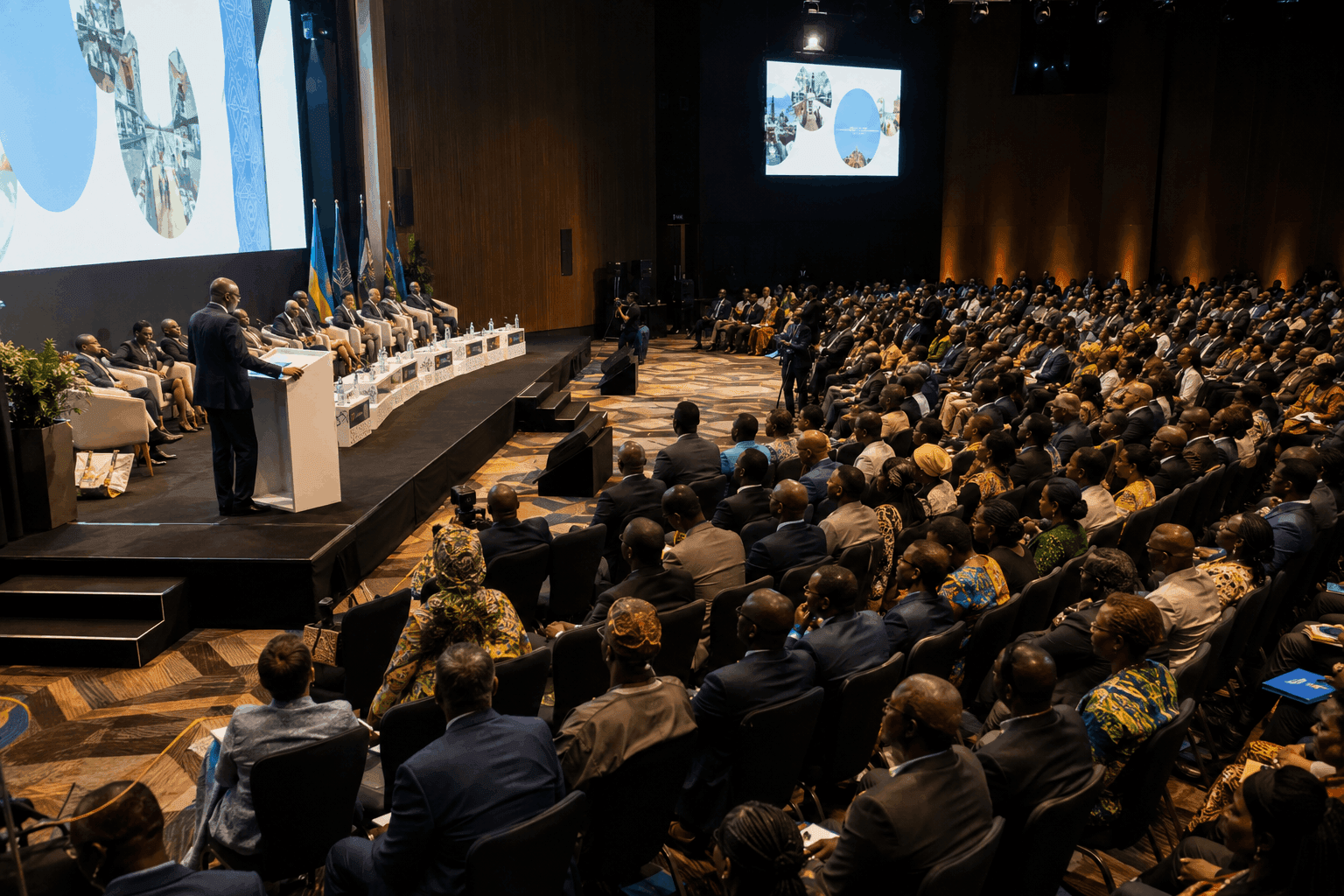
The Africa Coffee and Tea Expo 2026 took place at the Kigali Convention Centre from 8 to 10 July 2026. More than 1,000 delegates, 100 international hosted buyers, and representatives from at least 25 countries gathered for three days of trade activity, panel dialogue, and B2B matchmaking. The Opening Plenary on Day 2 covered trade logistics, market access, and the AfCFTA regional outlook with speakers from EATTA, the AfCFTA Secretariat, KPA, AGL Kenya, CEPAR, and the European Business Chamber Rwanda. This is a firsthand account of what was said, what was agreed, and what it means for the sector going into the second half of 2026.
The Africa Coffee and Tea Expo 2026 is over. Three days in Kigali, 8 to 10 July, at the Kigali Convention Centre. More than 1,000 delegates from across the coffee and tea value chain. One hundred international hosted buyers with pre-arranged sourcing mandates. Exhibitors representing farmers, cooperatives, processors, trade finance institutions, technology providers, and certification bodies. Representatives from at least 25 countries, from East Africa to Europe, Asia, and the Middle East.
I moderated the Opening Plenary on Day 2. What follows is my account of what that room said, what it agreed on, and what it means for the producers, buyers, policymakers, and investors who were not there.
For those who followed this series before the event, this article is the closing chapter. For those reading it now for the first time, the pricing data and Mombasa auction analysis is in Why Rwanda Tea Tops Mombasa: Lessons for African Producers. The buyer psychology and certification argument is in Beyond Certification: The Buyer Trust Strategy Rwanda Needs. The AfCFTA behavioral case is in The AfCFTA Tea and Coffee Opportunity Is Behavioral, Not Logistical. This piece reports on what the event itself produced.
WHAT ACT EXPO 2026 WAS, IN CONCRETE TERMS
The Africa Coffee and Tea Expo was a three-day B2B platform co-organized by NAEB, the Rwanda Convention Bureau, and Rwanda Events Group. It was not a conference with a trade floor attached. It was built the other way around: a deal-making environment with a content program designed to inform the conversations on the exhibition floor.
Day 1 opened the exhibition floor and activated the B2B matchmaking program. Day 2 was the official opening, trade dialogue, and policy engagement day. Day 3 shifted to market access, consumer activation, sustainability, youth and women in the value chain, and the Barista and Cupping Finals. The structure was deliberate: education early, deals in the middle, recognition at the close.
The numbers confirmed by organizers and reported by The New Times were: more than 150 exhibitors, more than 1,000 delegates, 100 international hosted buyers, and representatives from at least 25 countries. Rachel Mwaniki, Project Lead for ACT Expo, noted before the event that the organizers intentionally designed experiences around coffee and tea products to demonstrate that the industry extends beyond production and export markets. The exhibition floor and the competition program reflected that intent.
THE OPENING PLENARY: WHAT WAS SAID
The Opening Plenary on Day 2 was titled Unlocking Trade, Logistics and Market Access. I moderated it. Here is who was in the room and what each contribution established.
| OPENING PLENARY: UNLOCKING TRADE, LOGISTICS & MARKET ACCESS Day 2, 9 July 2026 | Moderated by Dr. Martin Luther Mawo |
| GEORGE OMUGA, Managing Director, East African Tea Trade Association (EATTA). George covered regional tea trade trends with the authority of someone who sees the full Mombasa auction picture every week. The central message from his contribution was consistent with what the auction data has shown across this series: African origins that build buyer trust, not just product quality, are the ones holding and widening their price premium. The average Mombasa price remained essentially flat in 2025. The origins with behavioral credibility did not. |
| NOMALANGA GULE, AfCFTA Secretariat. Nomalanga addressed the regional trade outlook under AfCFTA. The context was significant: intra-African trade is projected to reach $230 billion in 2026, with the agri-food sector expected to account for 48 to 50 percent of those flows. Her message to the room was that the architecture for continental trade is being built and that the question for the coffee and tea sector is whether it is positioning itself to use that architecture, not just waiting for it to be complete. |
| RITA WAHITI, Rwanda Country Representative, Kenya Ports Authority (KPA). Rita addressed trade logistics from a port and corridor perspective. The practical argument was about what happens between the auction floor and the buyer’s warehouse: clearance times, cold chain integrity, documentation harmonization across the Northern Corridor. For producers and exporters, logistics is not a detail. It is a trust signal. A buyer who experiences documentation delays or inconsistent clearance times makes a sourcing risk assessment about the entire origin, not just the shipment. |
| MARTIN MWANGI, Managing Director, AGL Kenya (Platinum Sponsor). Martin spoke from the position of a regional logistics operator with visibility across the full East African supply chain. The AGL perspective added operational specificity to what Nomalanga framed at the policy level: trade corridors are investments, not just routes, and the producers who understand this treat logistics partnerships as strategic relationships rather than commodity services. |
| GIOVANNI DAVITE KIPHARMA, President, European Business Chamber Rwanda (EBCR). Giovanni’s contribution brought the European buyer and investor perspective into the room directly. The EBCR represents a significant portion of the European commercial presence in Rwanda, and his participation in the plenary signalled that the European business community views Rwanda’s position in the coffee and tea sector as a credible and growing commercial opportunity, not a development story. |
| JJ NDAYISENGA, CEPAR (participation confirmed on the day). JJ’s contribution addressed the domestic commercial landscape, including how Rwandan businesses are positioned to take advantage of the intra-African trade growth that AfCFTA is accelerating. The intersection between local commercial capacity and continental trade opportunity was a thread that ran through the full plenary. |
I held the six contributions together around a single question that I put to the room at the start and returned to at the close: what does it actually take for an African coffee or tea origin to move from being present in the global market to being chosen in it? The answers across the six speakers were consistent, even when they came from different parts of the supply chain. Trust. Reliability. Named identity. Institutional backing. None of those are production variables. All of them are behavioral ones.
| The plenary converged on one argument from six different positions: African coffee and tea already has the product. What it is still building is the architecture that makes buyers choose it consistently. |
WHAT THE THREE DAYS PRODUCED
ACT Expo 2026 was not built to produce conference proceedings. It was built to produce deals, relationships, and market intelligence. The Hosted Buyers Program guaranteed pre-scheduled meetings between buyers with confirmed sourcing mandates and matched producers and exporters. The exhibition floor ran continuously across all three days. The Barista and Cupping Championships gave origin quality a live, public, competitive demonstration format that buyers and media could engage with directly.
The specific commercial outcomes, which sourcing agreements were signed, which relationships progressed from conversation to contract, will show up in auction data and export figures over the coming months. That is how the sector measures an event like this: not in attendee satisfaction scores, but in price trends and shipment volumes.
What I can report from the plenary and the floor is the quality of the conversation. The buyers who attended came with budgets and mandates. The producers who came with named origin track records and consistent quality documentation moved faster through the B2B matching process than those who arrived with generic product presentations. The behavioral argument I have made across this entire series played out live over three days in Kigali.
WHAT IT MEANS FOR THE STAKEHOLDERS WHO WERE NOT THERE
| IF YOU WERE NOT AT ACT EXPO 2026, HERE IS WHAT THE THREE DAYS ESTABLISHED WITHOUT YOU |
| PRODUCERS AND COOPERATIVES. The buyers who attended left with sourcing relationships either formed or advanced. The origins that invested in named identity, track record documentation, and consistent grade management moved fastest through the matchmaking program. The producers who were not present are not simply missing a networking event from their calendar. They are missing from the consideration set of buyers who made sourcing decisions in Kigali that will shape their 2027 supply contracts. |
| BUYERS AND IMPORTERS. The buyers who attended the cupping competitions and the exhibition floor now have origin intelligence that their competitors who stayed home do not have. They tasted specific lots. They met specific farmers and factory managers. They built the kind of direct relationship that a desk-based sourcing process cannot replicate. Origin knowledge is a competitive asset in specialty procurement. Three days in Kigali produced more of it than most buyers accumulate in a year of digital research. |
| POLICYMAKERS AND EXPORT BOARDS. The Opening Plenary produced a clear consensus across EATTA, the AfCFTA Secretariat, the logistics sector, and the European business community: African coffee and tea has a credibility window that is open right now, and the countries and sectors that invest in behavioral trust architecture alongside logistical infrastructure will be the ones that define the next decade of the market. That consensus was not in a report before the event. It was formed in the room. The ministries and export boards that were not present received the conclusion secondhand. |
| INVESTORS AND TRADE FINANCE PROVIDERS. ACT Expo 2026 made the investment case for African-origin, African-brand coffee and tea in the most direct form available: a room full of international buyers, with active sourcing mandates, paying premium prices for origins with behavioral credibility. The investors who were in Kigali left with a market thesis validated against real commercial actors. The ones who were not will build their next investment case from reports about what happened there. |
WHAT COMES NEXT
The conversations that began in Kigali on 8 July do not close on 10 July. The Hosted Buyers Program included 30 days of post-event support to facilitate contract negotiations. The relationships formed on the exhibition floor are in the follow-up stage now. The data from the Cupping Championships is being analyzed and will feed into origin marketing materials for participating estates and cooperatives.
For the sector broadly, ACT Expo 2026 established something that its organizers set out to create: a reference point. There is now a before and an after in the continental conversation about African coffee and tea trade. The before was a sector that knew it had world-class product and inconsistently captured world-class prices. The after is a sector that has, for the first time, assembled its full stakeholder ecosystem on African soil, in a commercial setting, with commercial intent. What happens with that assembly is the story of the next twelve months, and it will be visible in the EATTA auction data, the NAEB export figures, and the specialty trade press before the next edition of this expo comes around.
If you were not in Kigali this July, the question is not what you missed. The question is what you do with the twelve months before the next edition that the people who were there are already using.
FREQUENTLY ASKED QUESTIONS
What was the Africa Coffee and Tea Expo 2026 and what did it produce?
ACT Expo 2026 was a three-day B2B trade platform at the Kigali Convention Centre, 8 to 10 July 2026, co-organized by NAEB, the Rwanda Convention Bureau, and Rwanda Events Group. It brought together more than 1,000 delegates, 100 international hosted buyers with pre-arranged sourcing meetings and confirmed mandates, and representatives from at least 25 countries. The event produced direct buyer-producer relationships, sourcing agreements in progress, and a continental policy consensus on trade logistics and market access, developed in the Opening Plenary on Day 2.
Who spoke at the Opening Plenary and what did they address?
The Opening Plenary, titled Unlocking Trade, Logistics and Market Access, was moderated by Dr. Martin Luther Mawo. Speakers included George Omuga, Managing Director of EATTA, who addressed regional tea trade trends; Nomalanga Gule from the AfCFTA Secretariat, who covered the regional trade outlook; Rita Wahiti, Rwanda Country Representative for the Kenya Ports Authority, who addressed trade logistics and the Northern Corridor; Martin Mwangi, Managing Director of AGL Kenya, on logistics operations; Giovanni Davite Kipharma, President of the European Business Chamber Rwanda, who represented the European business and investment perspective; and JJ Ndayisenga from CEPAR.
What should stakeholders who did not attend ACT Expo 2026 do now?
Stakeholders who were not present in Kigali missed three days of B2B matchmaking, sourcing decisions, and policy dialogue that are already shaping supply relationships for the second half of 2026. The most productive response is to track the commercial outcomes of this expo through EATTA auction data and NAEB export figures over the coming months, and to begin positioning for the next edition. The behavioral investment in named origin identity, buyer relationship development, and grade consistency that the producers who attended are now acting on is available to anyone regardless of whether they were in Kigali.