
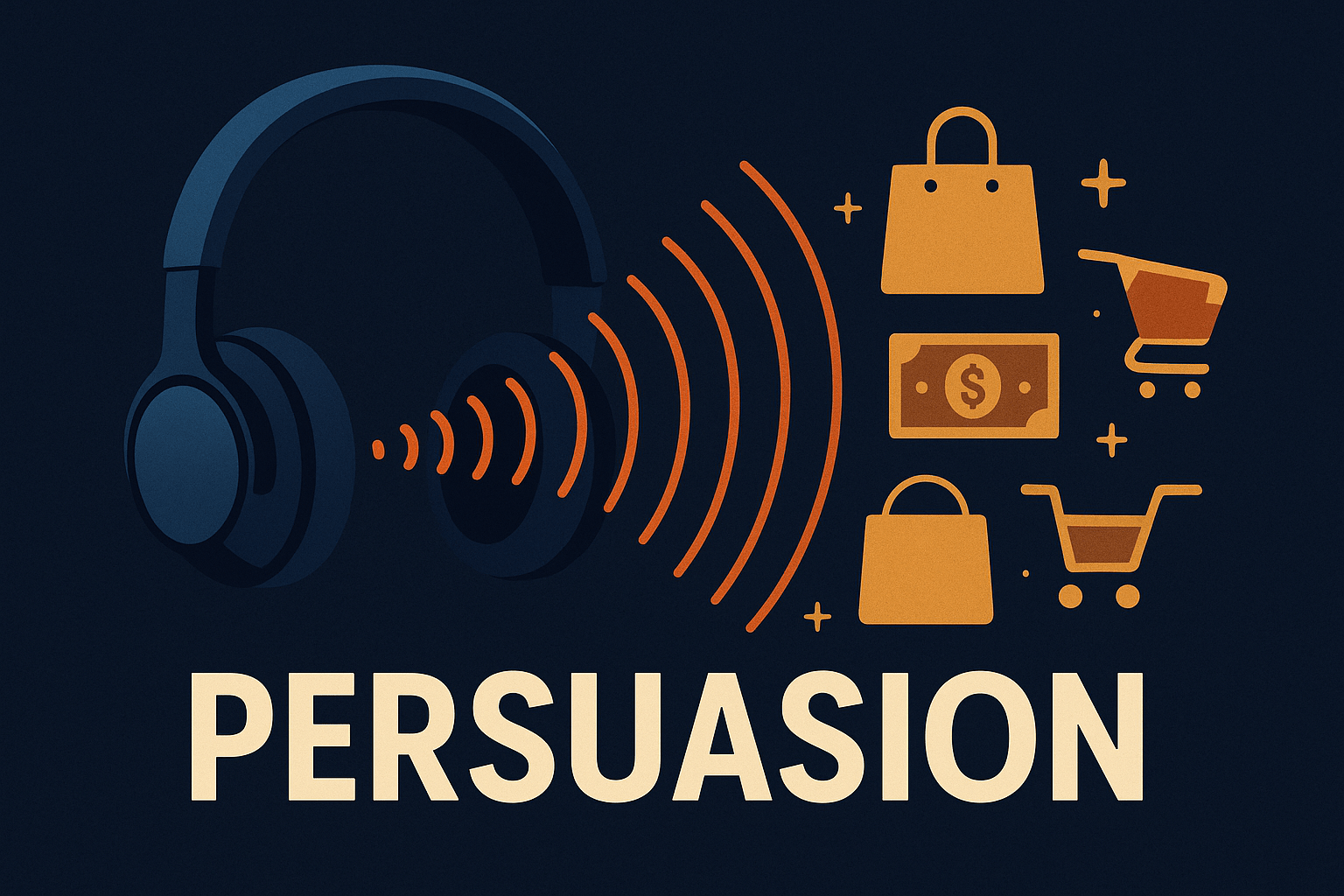
“If your product had a voice, would people sing along?”
In an age where attention spans are shrinking and consumers are bombarded with visual content, the most powerful tool in a marketer’s arsenal might not be the next flashy video or viral image it might be music.
From ancient drums echoing across savannahs to chart-topping TikTok hits that define entire movements, music has always held a mysterious, magnetic pull on human behavior. Today, that same pull is influencing how and why we buy.
As marketers, we ask: What message will resonate? But perhaps the better question is:
What music will resonate?
The Neuromarketing Connection: Music and the Brain
When we hear a melody, something profound happens in the brain. Neural circuits light up in the limbic system, home of our emotions and memories. Music has the ability to bypass logic and go straight to feeling and feeling is what drives purchase decisions.
According to neuromarketing research, emotionally charged music triggers the release of dopamine, the brain’s “reward” chemical. This is the same neurochemical released during moments of pleasure eating, laughing, or yes, shopping. The right song doesn’t just play in the background it alters our state of mind.
In marketing terms: music can prime your audience to feel more joyful, nostalgic, hopeful, or even impulsive all before a single word of copy has been read.
The Psychology of Sound in Branding
We often recognize a brand not by sight, but by sound.
Think of Intel’s iconic five-note jingle. Netflix’s opening “ta-dum.” The way a Harley-Davidson sounds, or the whisper of an Apple startup chime. These sonic cues aren't accidents they're carefully engineered audio identities that live deep in consumer memory.
This is called sonic branding the strategic use of sound to build emotional connections and brand recall. A consistent melody, sound logo, or musical theme can become more recognizable than a visual logo. Why? Because music bypasses cognitive resistance and creates a direct route to memory.
Brands that master this don’t just get noticed. They get remembered. And when it’s time to buy, they’re top of mind and top of playlist.
Case Studies: Where Music Made the Sale
Let’s look at a few real-world examples where music became the marketing message:
- Coca-Cola’s “Open Happiness”: This global campaign leaned heavily on uplifting music to evoke positivity and unity. Each regional version used local artists, making the campaign emotionally resonant across cultures.
- Apple’s Ads: Apple doesn’t just sell devices it sells moods. Their minimalist, aspirational ads often launch obscure songs into the Billboard charts. Why? Because the music is not background it’s the emotional hook.
- TikTok Virality: On platforms like TikTok, music is the engine of engagement. A product paired with the right trending audio can go viral overnight. This is the modern form of sound-driven storytelling participatory, playful, and fast-moving.
- Strategy: How to Use Music in Your Brand
So how can marketers harness this power? Here are four ways:
1. Define Your Emotional Promise
What should your brand feel like? Energetic? Sophisticated? Comforting? Let that guide your musical choices.
2. Match Tempo to Intention
Fast tempo = urgency and action (great for sales)
Slow tempo = trust and reflection (ideal for high-value products)
3. Create a Sonic Identity
Work with a composer or sound designer to develop a short, repeatable audio logo something as distinctive as your visual brand.
4. Think Beyond Ads
Use music in your customer experience: in-store playlists, hold music, onboarding videos, even app sounds. These moments subtly shape how people feel about your brand.
The Future: Marketing in an Audio-First World
As AI-generated music, voice commerce, and audio search grow, sound will only become more important in how we market and connect.
Imagine hyper-personalized music that adapts to a user’s mood. Or audio branding that shifts by region or weather. We're entering a world where brands won’t just be seen they’ll be heard, felt, and remembered.
Final Thoughts from Dr. Martin Mawo
Emotion is the heartbeat of marketing and music is its most powerful rhythm.
In a world driven by stories, feelings, and subconscious cues, music doesn't just support the message. It is the message. It can whisper, shout, soothe, or excite and when done right, it can sell.
So next time you plan a campaign, ask yourself not just what your brand looks like.
Ask:
What does my brand sound like?
And even more importantly:
What does it make people feel?
Because when they feel it, they’ll buy it.
Dr. Martin Mawo is a marketing strategist and behavioral science researcher specializing in emotional decision-making and consumer psychology. He writes at the intersection of neuroscience, branding, and culture.