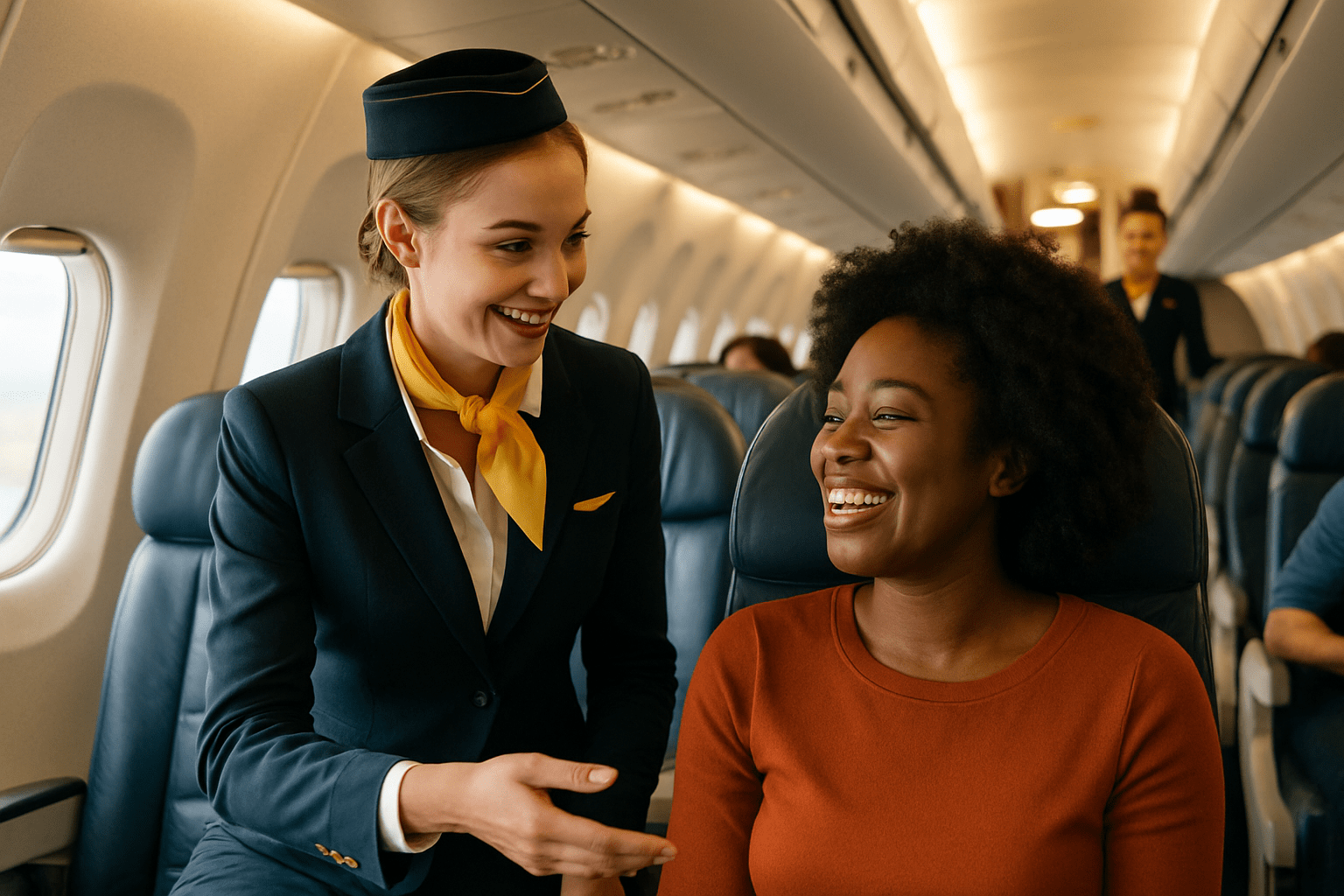
Airlines spend millions on aircraft, systems, and marketing yet the most powerful differentiator remains the human culture passengers meet at every touchpoint.
A bad staff culture becomes a brand liability. A healthy staff culture becomes a competitive advantage.
In aviation, culture is customer experience made visible.
When staff are demotivated, overwhelmed, or unsupported, the passenger feels it instantly even before a word is spoken.
1. The Emotional Transmission Effect
Every interaction in aviation carries emotional weight:
- The tone at check-in
- The attitude at boarding
- The calmness during disruptions
- The empathy during delays
- The facial expression during conflict
Passengers mirror staff emotions.
Stressed staff create stressed passengers. Empowered staff create confident passengers.
Airlines underperform not because the staff are unskilled but because the culture they operate in suppresses their humanity.
2. The Fragmented Culture Problem
Many airlines suffer from internal cultural fragmentation:
- Operations vs. customer service
- Ground staff vs. cabin crew
- HQ vs. airport teams
- Teams governed by rules, not shared purpose
This creates emotional inconsistency.
Passengers sense when the airline is not aligned internally, it shows through conflicting messages and uneven service.
3. The Psychological Toll on Frontline Teams
Airline frontline jobs carry heavy emotional pressure:
- Highly reactive environments
- Frequent conflict situations
- Pressure to uphold rigid policies
- Emotional fatigue from passenger frustration
- Limited flexibility to solve real problems
When the system doesn’t support staff psychologically, they adopt defensive behaviours and defensive behaviours feel like rudeness to passengers.
4. The Myth of “Customer Service Training”
Airlines often try to fix emotional gaps with customer service training.
But training fails when culture doesn’t support it.
You cannot train people to smile when the system makes them suffer.
You cannot teach empathy when staff feel powerless.
You cannot demand emotional intelligence when leadership lacks it.
Real change is cultural, not cosmetic.
5. Cultural Drivers That Elevate Airline Experience
Strong airline cultures share five psychological characteristics:
a. Empowerment with boundaries
Staff need the freedom to make small human decisions within clear limits.
b. Emotional safety
Teams must feel supported, not punished, for handling difficult situations.
c. Operational clarity
Unclear policies create anxiety for both staff and passengers.
d. Consistent internal communication
If staff don’t know what’s happening, customers will definitely feel it.
e. Recognition and emotional reward
High-pressure roles demand constant psychological reinforcement.
6. The Passenger Feels the Culture Long Before the Flight
Passengers don’t interact with “the airline.”
They interact with:
- The person at check-in
- The voice at the call centre
- The crew member at boarding
- The agent during a disruption
Each of these interactions is shaped by culture not by strategy documents or marketing promises.
This is why airlines with average aircraft and tight budgets often outperform bigger competitors:
their culture is aligned, human, and emotionally intelligent.
7. Culture as a Competitive Strategy
To win the future customer, airlines must treat culture as part of the business model.
This requires:
1. Leadership modelling emotional behaviour
Culture follows leadership tone.
2. Hiring for attitude, not just skill
In aviation, emotional intelligence is operational intelligence.
3. Building cross-functional unity
Passenger experience is everyone’s job.
4. Designing policies that respect human dignity
Rigid rules create rigid emotions.
5. Creating emotional KPIs
Measure how staff feel because how they feel is what the customer receives.
Final Thought
Aircraft may move passengers physically,
but staff culture moves them emotionally.
Airlines that invest in culture win loyalty, trust, and long-term relevance.
Those that ignore it will continue to suffer silent customer defection
not because of price or aircraft, but because passengers felt the culture was cold.
This is the sixth article in my series on aviation psychology and customer loyalty.